Blog
Dating a widower, what to expect and how to talk about the past
MatureMeet editorial team
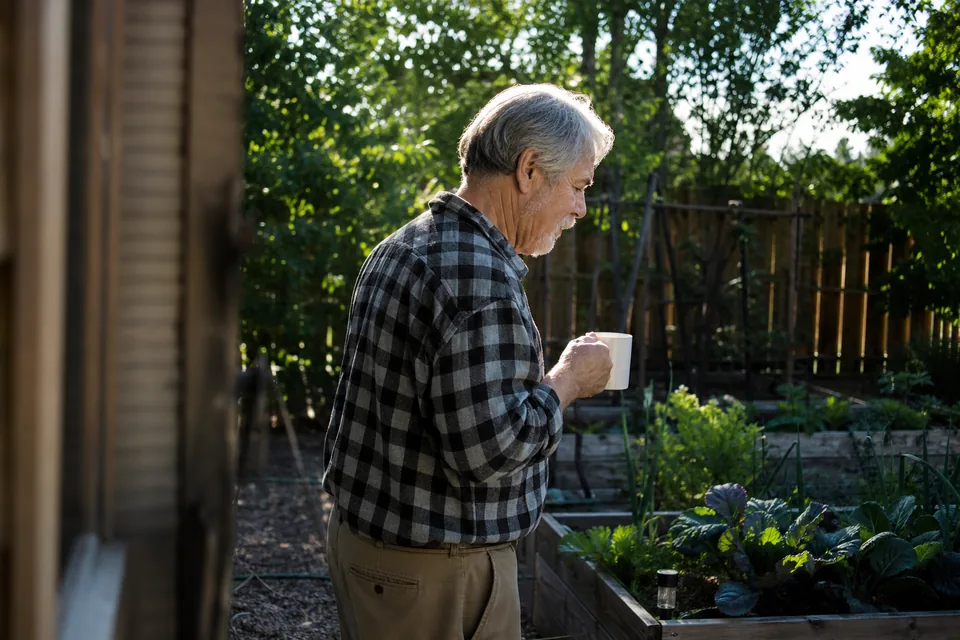
Dating a widower, or a widow, means building something new next to a love that did not end by choice. That is not a problem to fix. It is a part of who they are. This guide covers what to expect, how to talk about the past, the signs someone is ready, and what to do if you are the one who has lost a spouse and is thinking of dating again.
Grief does not end, it changes
The first thing to understand is that a widower will probably always love the person he lost. That does not mean there is no room for you. People who have had a long, happy marriage often make wonderful partners, because they know how to love and how much a relationship is worth.
Grief changes over time. In the first months it fills everything. Years later it is more like weather: most days are clear, some days are not. Anniversaries, birthdays, a song in a shop can bring it back. A partner who understands this, and does not take it personally, is a gift.
How soon is too soon
There is no correct number. Some people are ready after a year, some after five, some never want a new partner and prefer companionship. A long illness before the death can mean some grieving happened before the loss, so a new relationship may come sooner than outsiders expect.
Instead of counting months, look at how the person talks and lives.
- Can they talk about their late spouse warmly, without breaking down every time?
- Do they have a life of their own: friends, interests, routines?
- Are they looking for a partner, or for someone to fill an empty chair?
- Do they want to know you, or mostly to talk about the past?
Signs a widower is ready to date
- He talks about the future, not only the past.
- He introduces you to friends, eventually to family.
- He makes space in his home and calendar for you.
- He can tell you about his wife without comparing you to her.
- He is honest about hard days instead of disappearing.
Signs he may not be ready yet
- Every conversation returns to his late wife.
- The house is unchanged, and he becomes upset at the thought of any change.
- He keeps you secret from his children for a long time.
- He compares you, openly or in small ways.
- He wants a relationship but cannot say why.
None of these are a reason to be harsh. They may just mean he needs more time. You can decide whether you want to wait.
How to talk about the past
Many partners of widowers wonder whether to ask about the late spouse. In most cases, the answer is yes, gently. Avoiding the subject can feel like pretending the person never existed.
- Ask open questions. What was she like? How did you meet?
- Listen more than you speak. You do not need to say the perfect thing.
- Remember dates that matter: the anniversary, the birthday, the day she died.
- Do not compete with a memory. You are not replacing anyone. You are someone new.
- Share your own past too, so it does not feel one sided.
Photos, the house and the ring
Many widowers keep photos of their late wife in the home, wear the ring for a while, or keep belongings. That is normal. Over time, many people move photos to a more private space, keep one in a special place and make the home feel shared. That usually happens naturally as a relationship deepens, not because a new partner asks.
If something truly bothers you, talk about it calmly, using I statements. I feel like a guest in the living room is easier to hear than you need to take that photo down.
Children and family
Adult children may have complicated feelings when a widowed parent dates. Some are relieved. Some feel it betrays their mother or father. Some worry about money and inheritance. Let your partner lead on how and when to introduce you. Be patient, be kind and do not try to become a replacement parent. Respect builds over time.
Holidays and anniversaries
The first holidays you spend together can be emotional. Ask how he would like to handle them. Some people want to keep traditions, some want new ones, some want a quiet day alone. There is no right answer, only an honest conversation.
If you are the widow or widower
If you have lost a spouse and are thinking about dating, you may feel guilty, nervous or simply out of practice. All of that is normal.
- You are allowed to be happy again. Most people would want that for the person they loved.
- Start slowly. Friendship first or companionship are perfectly good intentions.
- Be honest on your profile that you are widowed. The right person will respect it.
- Talk about your spouse when it comes up, but leave space for the new person to be themselves.
- Be extra careful with safety. Scammers specifically target recently widowed people, sometimes posing as widowers themselves, because grief can lower your guard.
Dating sites and widowed singles
Look for a dating site where people state their intentions clearly, where members are verified and where the pace is gentle. Events can be a softer start than one to one dates. A matchmaker can make the first introduction for you, which some widowed people find easier than searching.
On MatureMeet every profile says what the person is looking for, including companionship and friendship first. Every member is verified before they can message, a scam shield watches for money requests, and local events for over 40 and 50 singles let you meet people in a relaxed setting. Read more on our page for widower dating.
Common worries, and honest answers
Will I always come second? Not if he is ready. Love is not a fixed amount. People who were happily married often find room for a new, different love that does not compete with the old one.
What if his family compares me? It happens, especially early. Give them time, be yourself and let your partner set boundaries with his family. Most families soften once they see their father or mother happy again.
Should I visit the grave with him? Only if he invites you, and only if you feel comfortable. Some people find it meaningful. Others prefer to keep that part private. Both are fine.
What if I am widowed too? Two widowed people can understand each other deeply, because both know loss. Just make sure you also talk about the future, not only about the people you have lost.
Practical tips for the first months
- Let him lead on how much he shares, and when.
- Be patient on difficult dates in the calendar, and ask what he needs.
- Build your own traditions together rather than replacing old ones.
- Keep your own friends and interests. A secure partner is easier to love.
- Talk openly if something hurts, rather than letting resentment build.
When you hit a hard day together
There will be days when grief returns without warning: a song in the car, a familiar smell, a family wedding. On those days, you do not need to fix anything. Ask whether he would like company or some time alone, and respect the answer. A cup of tea and a quiet evening often says more than any words. Afterwards, many widowers say that the partner who stayed calm on a hard day is the one they came to trust most.
Patience is the quiet skill in all of this. Relationships with someone who has lost a spouse often grow more slowly at first and then become remarkably steady, because both people know exactly what they are choosing and why.
A final word
Dating a widower asks for patience, empathy and a secure sense of yourself. In return you often get a partner who knows exactly how precious a relationship is and does not take a single day for granted. When you are ready, explore dating over 50 with verified people and preview your matches.
Meet someone worth your time
See my matches